
You've agreed on the project. The scope is clear, the timeline is set, and the client is ready to start. Then comes the first practical question neither of you thought to discuss upfront:
How exactly are you going to pay me?
If you've already thought through how cross-border income works in general, the next step is making sure the first payment goes smoothly in practice. Most of the friction comes from decisions made too late — after the invoice is already sent, when there's little room to adjust anything.
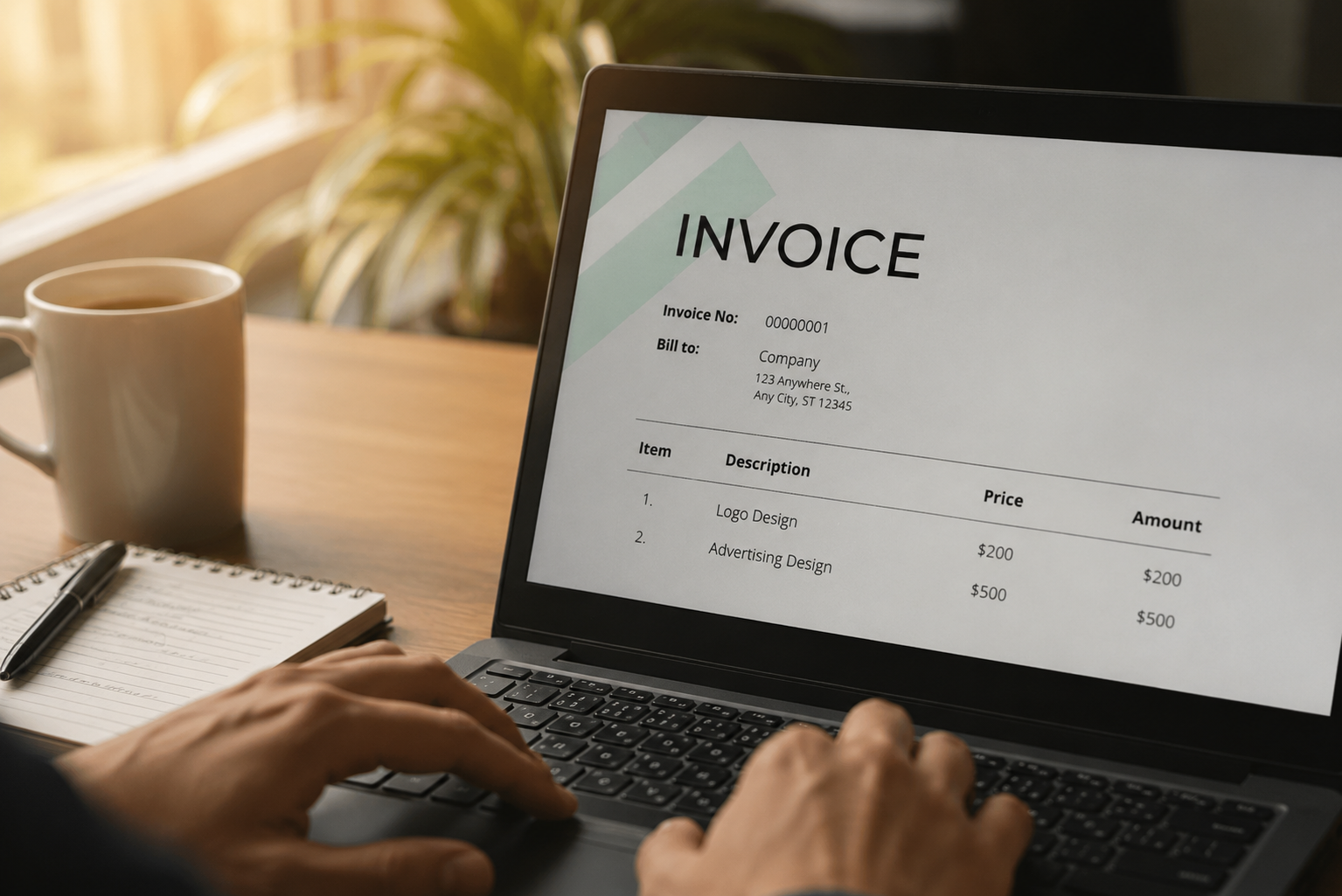
Before sending your invoice, make sure you’ve aligned on a few key points with your client.
Currency
Invoice currency determines who carries FX risk. If you invoice in your client’s currency, the final amount may vary with exchange rates. If you invoice in your own currency, the client carries that risk.Decide this before issuing the invoice.
Payment method
Clients use different systems depending on their location — bank transfer, SEPA, ACH, or payment platforms. Confirm the exact method in advance to avoid failed or delayed transfers.
Fees
International transfers often involve multiple fees: bank charges, intermediary fees, or FX margins. Agree upfront who covers them to avoid discrepancies between the invoiced and received amount.
Timeline
Transfers can take from a few hours to several business days depending on the route. Clarify expected timing before work starts, especially if delivery depends on payment.
Confirmation
Agree on what counts as confirmation that payment has been sent — a screenshot, a transaction reference, or a short message. This affects when work starts and when deliverables are shared.

One of the most common misunderstandings on a first international payment is that different stages of a transfer are treated as the same thing.
- "Payment sent" means the client has initiated the transfer
- "Processing" means the money is moving through banking systems
- "Received" means the funds are available in your account
Agree upfront on which stage applies to your project decisions. The safest approach is to wait until the payment is fully received before beginning work.
receive international transfers in the required currency.Then prepare all necessary information for the client in advance:
- Account number or IBAN
- SWIFT / BIC code
- Bank name and address
- Any intermediary bank details, if required
Sending this information clearly in writing reduces the risk of errors and delays.
It’s also helpful to understand in advance what amount will actually arrive after fees and conversion. Some systems show this before the transfer is initiated, others don’t.
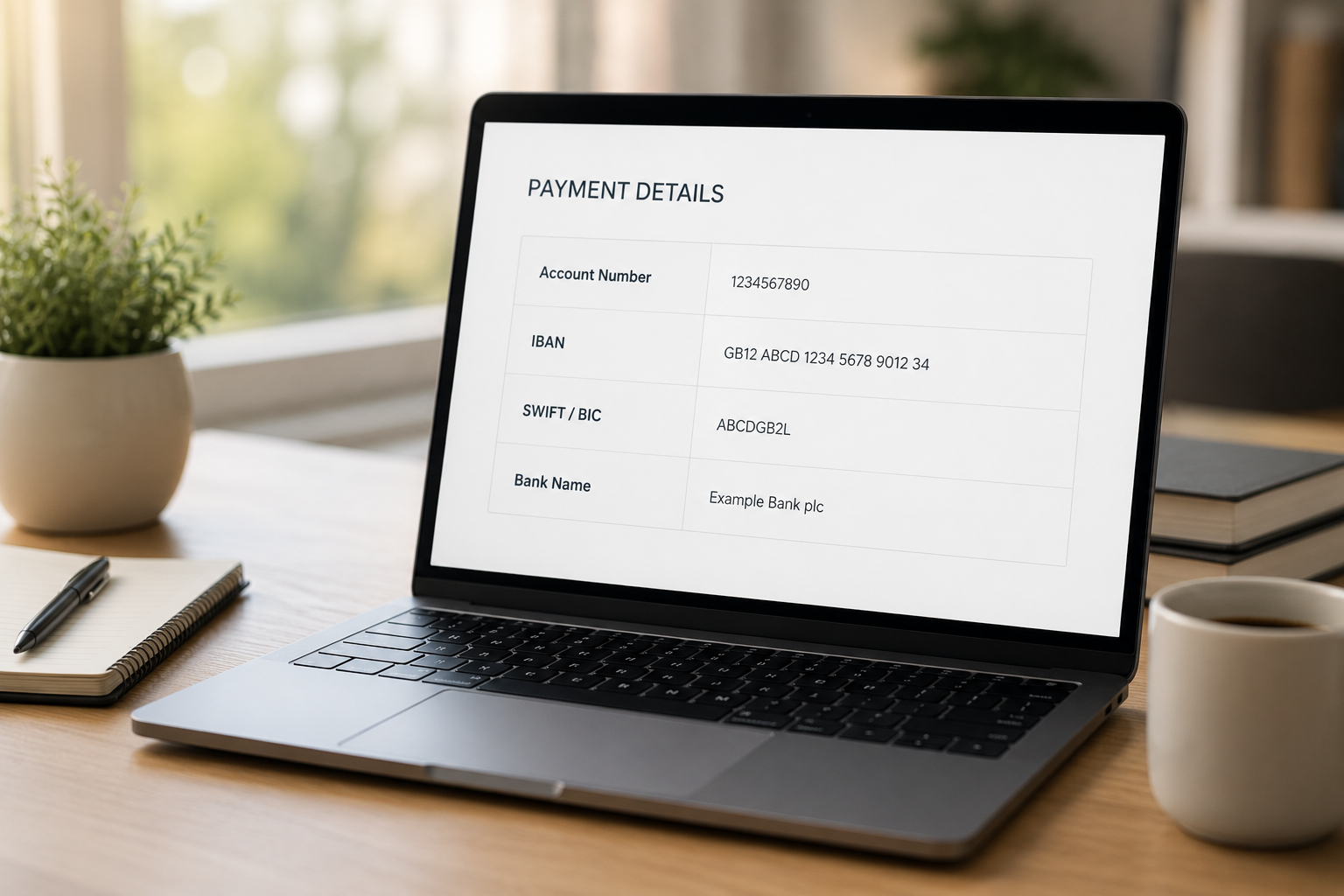
Even when everything is agreed, small details can affect how smoothly the first transfer goes. It’s worth double checking everything before sending payment information.
A short written record of the payment setup helps, even if everything else is informal. An email summary after the conversation is enough: currency, who covers fees, payment terms, and what counts as confirmation. It removes ambiguity if the project runs long, involves multiple payments, or if you work with this client again.
When you're setting up international payments for the first time, having clear exchange rates, transparent fees, and straightforward transaction records makes the process easier to manage. DMaple helps make the first international payment easier to manage by showing the payment details, fees, and transaction records in a clearer flow.

Before sending your first invoice, go through the checklist above and make sure you've aligned on the essentials with your client. On your side, prepare the correct payment details, confirm that your account can receive the transfer, and clarify what stage counts as payment received before work begins.
A short conversation with the client before the invoice goes out helps set clear expectations for everything that follows.


New at DMaple Blog

The Hidden Cost of Running a Small Business
A contractor finishes a project for a company overseas. The payment is sent, the invoice is marked as paid, and the work is done.
Learn more

DMaple at Get Connected by Intuit QuickBooks 2026
On June 17–18, DMaple participated as an official sponsor of Get Connected by Intuit QuickBooks in Toronto.
Learn more
Your First Payment From An International Client: What To Agree On Before You Invoice
You've agreed on the project. The scope is clear, the timeline is set, and the client is ready to start.
Learn more