
From May 5 to May 7, The Payments Canada SUMMIT took place in Toronto, bringing together more than 2,000 participants from across the global payments ecosystem, including financial institutions, fintech companies, payment providers, and infrastructure teams.
Over three days, discussions focused on how payment systems are evolving to support a more real-time, interconnected global economy.
DMaple participated in this year’s SUMMIT as part of the broader payments ecosystem, joining conversations around cross-border payments, infrastructure modernization, and the growing role of stablecoins in payment flows.

Across the SUMMIT, several themes appeared consistently across sessions and discussions.
Payments are becoming core infrastructure
Payments are increasingly being discussed as part of broader economic infrastructure supporting real-time business activity, global commerce, and connected financial systems. Speed, reliability, and transparency are quickly becoming expected parts of the payment experience rather than differentiators.
Cross-border payments remain structurally complex
Despite progress in domestic payment systems, international transfers still involve fragmentation across providers, networks, and jurisdictions. Many discussions focused on the need for better visibility, smoother settlement experiences, and simpler operational flows for businesses and individuals.
Data and interoperability are becoming critical
Structured payment data and interoperability standards such as ISO 20022 are becoming increasingly important for automation, reconciliation, and transparency across payment systems. Institutions are placing greater focus on connected infrastructure and more standardized payment flows.
.jpg)
For DMaple, one of the most important themes across the SUMMIT was the growing role of stablecoins in modern payment infrastructure.
More industry discussions are now focused on practical use cases such as faster settlement, simpler cross-border transfers, and more predictable payment flows. In many cases, stablecoins are increasingly viewed as infrastructure for moving money rather than as standalone crypto assets.
This shift reflects how digital payment rails are becoming part of broader financial systems and operational workflows.
Throughout the event, DMaple CEO Fedor Belomoev spoke with fintech teams, payment providers, and infrastructure companies about the future of cross-border payments and the growing role of stablecoins in payment flows.
The discussions focused on practical challenges such as simplifying international transfers, improving visibility across transactions, and reducing operational friction for users and businesses.
DMaple also shared its approach to combining sending, conversion, and transaction management into one streamlined flow, helping users move money without dealing with multiple systems or technical complexity.
.jpg)
.png)
The SUMMIT highlighted how quickly payment systems are evolving toward more real-time, connected, and globally integrated infrastructure. For DMaple, the event provided valuable insight into how financial institutions, fintech companies, and infrastructure providers are approaching the future of cross-border payments.
The event also opened new conversations around potential partnerships, infrastructure collaboration, and future integration opportunities across the payments industry. These discussions and connections will continue to influence how DMaple develops the platform and expands its payment and settlement capabilities for businesses and individuals worldwide.


New at DMaple Blog

The Hidden Cost of Running a Small Business
A contractor finishes a project for a company overseas. The payment is sent, the invoice is marked as paid, and the work is done.
Learn more
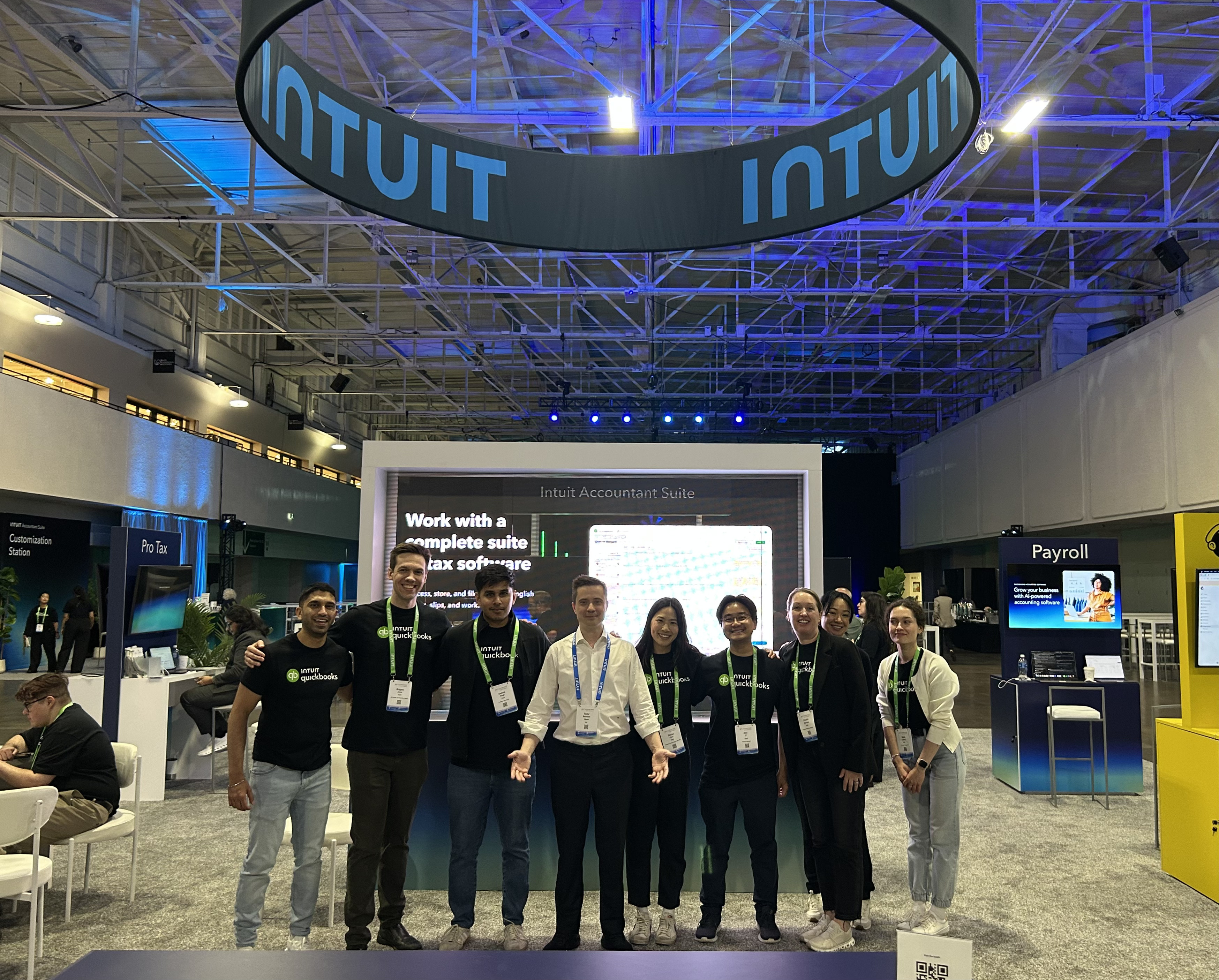
DMaple at Get Connected by Intuit QuickBooks 2026
On June 17–18, DMaple participated as an official sponsor of Get Connected by Intuit QuickBooks in Toronto.
Learn more

Your First Payment From An International Client: What To Agree On Before You Invoice
You've agreed on the project. The scope is clear, the timeline is set, and the client is ready to start.
Learn more