
If you’re new to cryptocurrency, you might wonder why your wallet doesn’t ask for your seed phrase every time you make a transaction. After all, it’s the master key to your funds, so shouldn’t it be used more often? The answer lies in how wallets are designed to balance security and usability.
Your seed phrase is the foundation of your wallet. When you first set up your wallet, the seed phrase is used to generate your private keys, which are unique codes that authorize transactions. Once this setup is complete:
Your wallet uses the private key (derived from the seed phrase) to sign transactions, not the seed phrase itself. This ensures that your seed phrase remains safely stored and isn’t exposed unnecessarily.
Entering your seed phrase repeatedly increases the chances of being stolen through phishing, malware, or other threats. By only using it during setup or recovery, wallets significantly reduce these risks.
Start protecting your wallet smarter, not harder.


New at DMaple Blog

The Hidden Cost of Running a Small Business
A contractor finishes a project for a company overseas. The payment is sent, the invoice is marked as paid, and the work is done.
Learn more

DMaple at Get Connected by Intuit QuickBooks 2026
On June 17–18, DMaple participated as an official sponsor of Get Connected by Intuit QuickBooks in Toronto.
Learn more
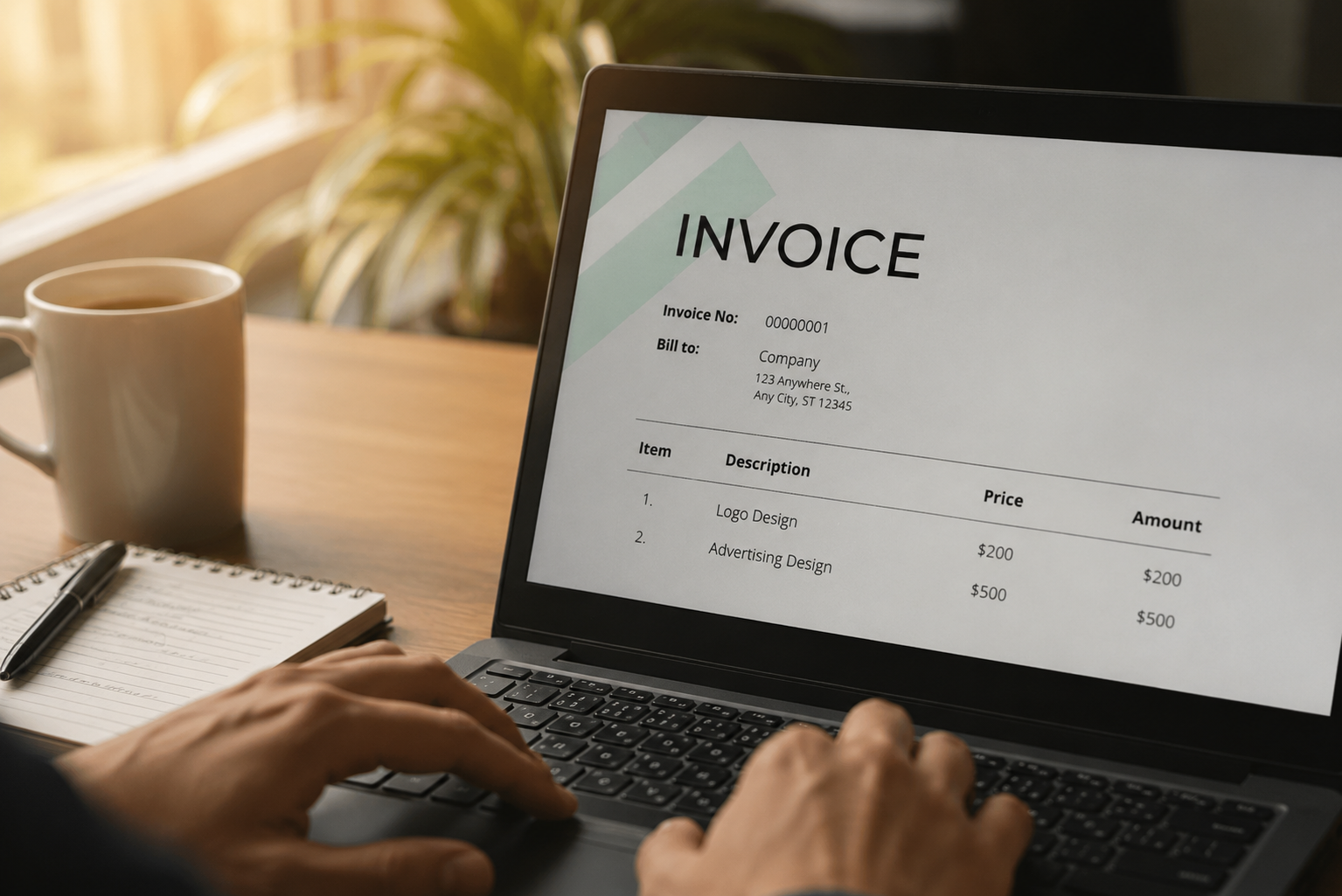
Your First Payment From An International Client: What To Agree On Before You Invoice
You've agreed on the project. The scope is clear, the timeline is set, and the client is ready to start.
Learn more