
Freelancing across borders has become part of everyday work. Your clients might be in Tokyo, Amsterdam, or São Paulo, while you live somewhere else entirely. Most of the work happens online — in calls, shared folders, and project management tools.

Payments, however, follow different rules.
When income crosses borders, it also moves through different currencies, banking systems, and fee structures. Without clarity on how the money travels, small differences in exchange rates and charges can gradually affect what you actually receive.
Here’s what changes when a client pays from another country, and how to manage cross-border income with more confidence.
1. Currency affects your real income
If your invoice is in USD but you live in a EUR country, your income is exposed to exchange rates. What really influences the final amount you receive is the exchange rate applied to your payment and the margin built into that rate by the provider.
Most freelancers pay attention to the visible transfer fee. What many don’t notice is that the exchange rate margin often has a bigger impact. Over time, even a small difference in FX can affect your monthly income more than a fixed transfer charge.
It helps to be intentional about currency. Decide in which currency you invoice and whether you prefer to convert funds immediately or keep them in the original currency.
2. Timing affects predictability
With local payments, you usually have a sense of when the money will arrive. International transfers can follow a different rhythm. Depending on how your client sends the funds, the payment might arrive within minutes, the next business day, or several days later.
If you depend on that income to cover rent, pay contractors, or settle taxes, consistency matters more than speed. It’s worth knowing two things: when the payment actually leaves your client’s account, and when it becomes available for you to use.
Cross-border income works best when your cash flow stays predictable.
3. Fees are not always in one place
With international transfers, costs rarely appear as a single line. There may be a transfer fee, an exchange rate margin, a receiving bank charge, or even an intermediary bank involved along the way. These layers are not always visible at first glance.
Sometimes your client covers the fees. Sometimes you do. In some cases, the cost is effectively shared because of how the transfer is structured.
Before settling on a payment method, it helps to clarify a few practical points:
- Who is responsible for which fees?
- Is the amount you receive guaranteed?
- Is the exchange rate fixed at the time the transfer is initiated?
Clear answers make payments easier to plan and reduce unnecessary back-and-forth with clients.
4. Clean reporting makes everything easier
Even as a solo freelancer, you still need clear records for taxes and accounting.
At minimum, that usually includes the original invoice amount, the currency of the invoice, the exchange rate applied, and the final amount received. When this information is spread across multiple platforms, reporting takes more time than it should.
A well-structured payment setup provides clear transaction details from the start. That clarity makes month-end reporting and conversations with your accountant much simpler.
5. Matching the tool to your situation
There isn’t a single payment method that works best for everyone.Bank transfers can be practical for larger invoices. Some fintech platforms may offer better exchange conditions for mid-sized payments. In certain situations, stablecoin-based transfers provide faster access to funds across borders.
What matters most is your own pattern of income.
- How often do you get paid?
- In which currencies?
- From how many different countries?
When you understand how your income flows, it becomes easier to choose a setup that fits your workflow rather than adjusting your workflow to the payment method. For freelancers who work across borders on a regular basis, having that structure built into the payment process can make a noticeable difference.
If you regularly work with clients abroad, DMaple provides a structured way to receive payments across currencies with clear exchange rates, transparent fees, and ready-to-use reporting.
Set up your account and see how international income can feel more predictable.
Working with clients abroad opens up more opportunities. Your payment setup should make that feel sustainable and manageable.
Managing cross-border income comes down to a few practical things: knowing the exchange rate applied, understanding the total cost, keeping clear records, and having a predictable timeline for when funds arrive.
When those elements are in place, international payments stop feeling uncertain. They simply become part of your normal workflow.


New at DMaple Blog

The Hidden Cost of Running a Small Business
A contractor finishes a project for a company overseas. The payment is sent, the invoice is marked as paid, and the work is done.
Learn more

DMaple at Get Connected by Intuit QuickBooks 2026
On June 17–18, DMaple participated as an official sponsor of Get Connected by Intuit QuickBooks in Toronto.
Learn more
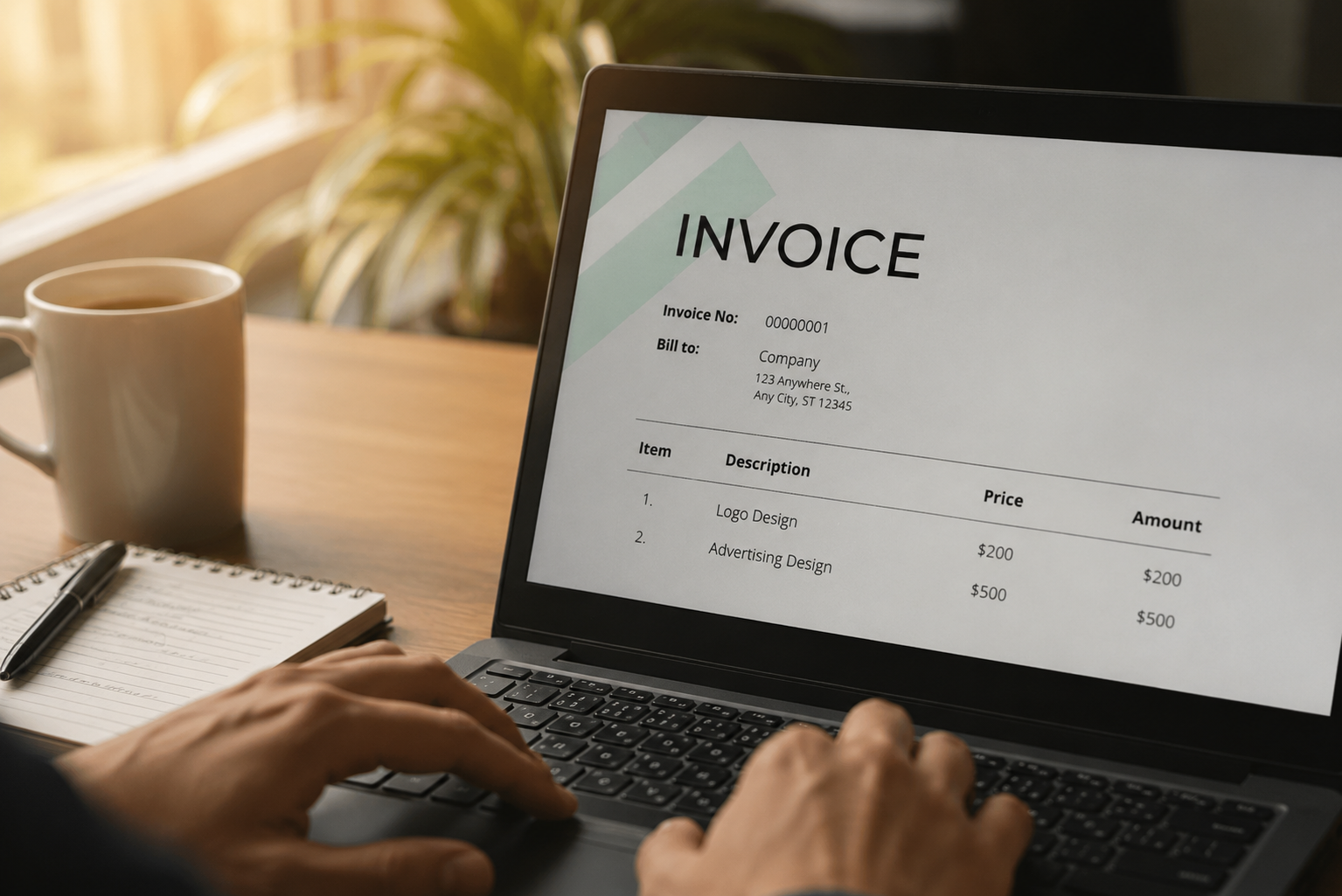
Your First Payment From An International Client: What To Agree On Before You Invoice
You've agreed on the project. The scope is clear, the timeline is set, and the client is ready to start.
Learn more