
KYC (Know Your Customer) is a simple identity check your client completes before they can send you money.
Its purpose is to confirm who the sender is, so payments don’t come from anonymous or suspicious sources.

When a payment comes from someone you don’t know, you need to be sure the sender is real. KYC confirms their identity upfront, helping you avoid fraud, blocked payments, and compliance issues.
In short: you always know who is sending you money.
Before they can send funds, the system asks them to confirm their identity.
This may include basic personal information or business information, plus an ID document (passport, driver’s licence, corporate registration, etc.).
It verifies the document, compares the data with compliance sources, and makes sure nothing looks high-risk.
The client is verified and can complete the payment.
The payment is stopped, and you receive a notification explaining that verification failed.
With KYC enabled, you can be confident that payments come only from verified and trustworthy senders. This reduces fraud risk, supports compliance, and strengthens trust with your partners.


New at DMaple Blog

The Hidden Cost of Running a Small Business
A contractor finishes a project for a company overseas. The payment is sent, the invoice is marked as paid, and the work is done.
Learn more

DMaple at Get Connected by Intuit QuickBooks 2026
On June 17–18, DMaple participated as an official sponsor of Get Connected by Intuit QuickBooks in Toronto.
Learn more
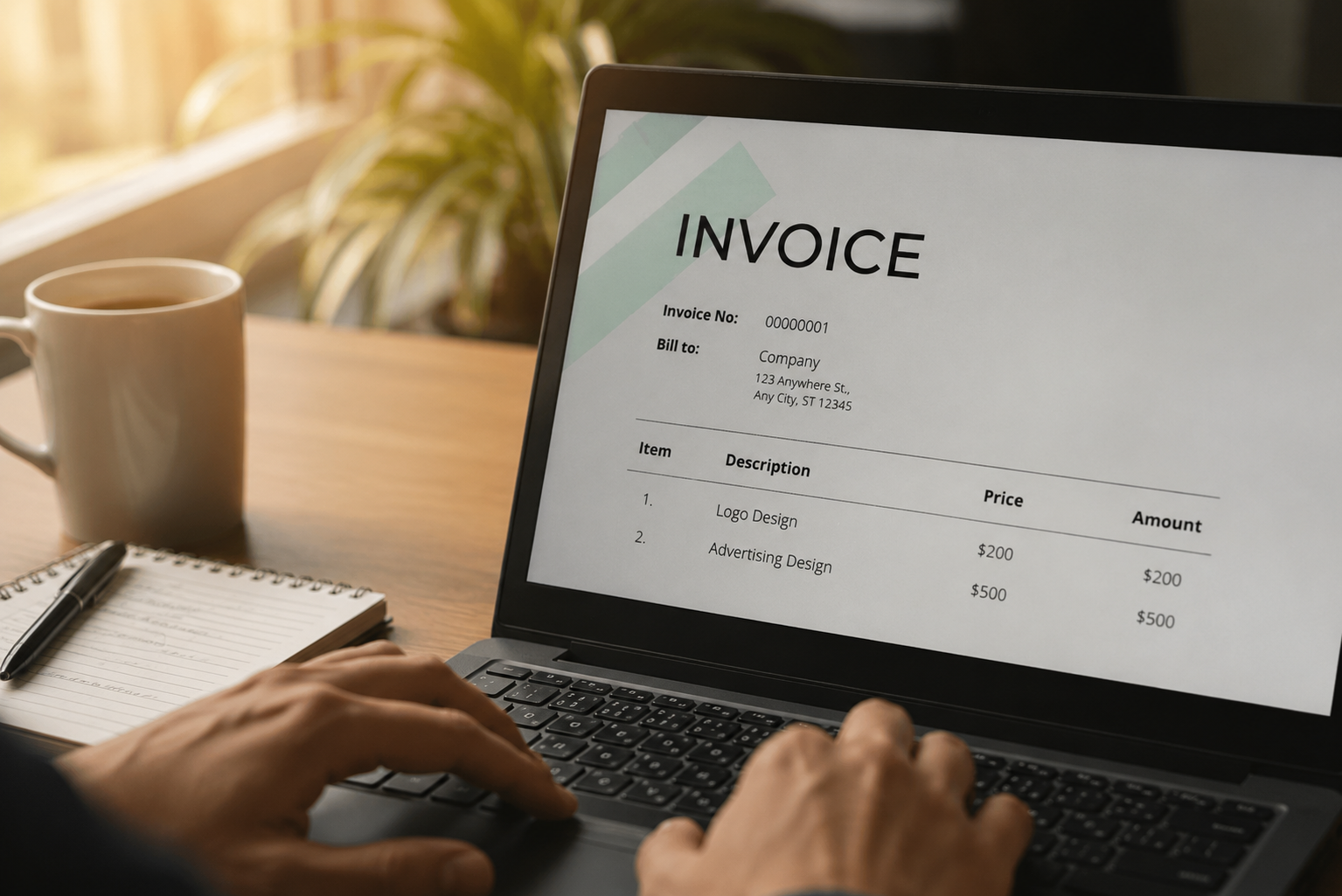
Your First Payment From An International Client: What To Agree On Before You Invoice
You've agreed on the project. The scope is clear, the timeline is set, and the client is ready to start.
Learn more